How to Make a Bathroom Safer for an Older Adult
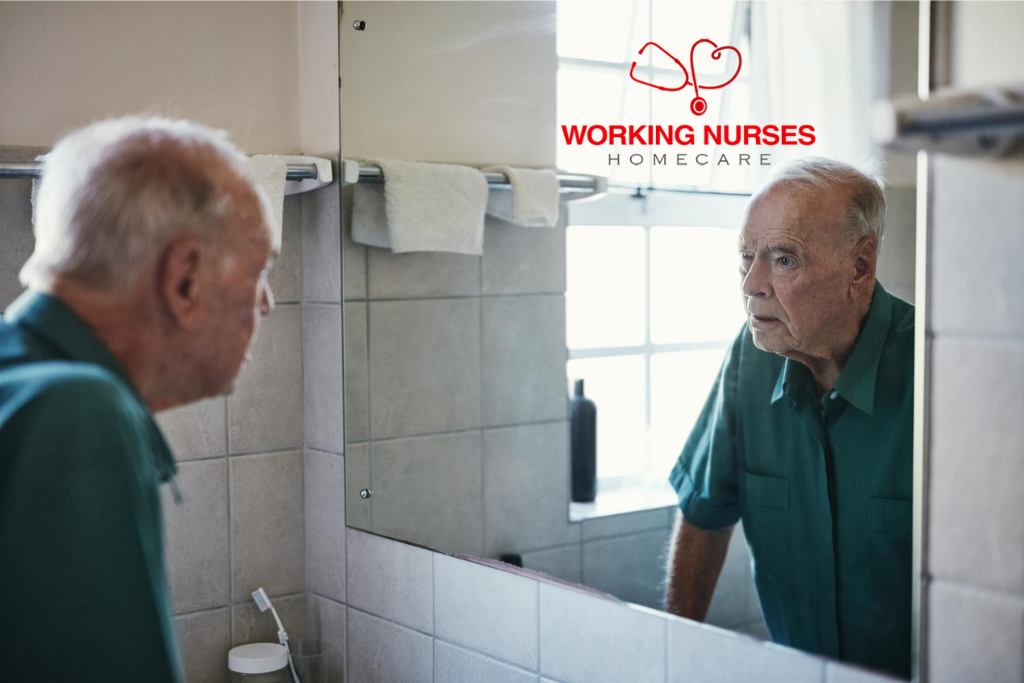
People often assume a bathroom is an ordinary room in a home. In reality, bathrooms can be a particularly high-risk area, especially for older adults. Slick tubs, wet floors, and low toilets might lead to falls, and falls are a major cause of injury among older adults. A room that’s used multiple times a day deserves a lot more attention than what it normally gets.
This type of attention doesn’t involve a full renovation to make the space safer. Professional bathing and grooming support for seniors starts with smaller, practical changes. These professional services can make any ordinary room visibly safer without major construction.
Why Bathrooms Pose Such a High Fall Risk
Bathrooms pose different fall risks because of their compact space, water, hard surfaces, and awkward movements like standing or sitting. Age-related changes in balance and strength can make those risks even more severe. Falls can even be fatal for older adults.
There are a couple of factors that make bathrooms a riskier space:
- Wet, slippery surfaces across tile floors and in the tub or shower
- Low toilets that need additional effort to sit down or stand up
- Limited grab points near the shower, tub, or toilet
- Lack of adequate lighting that makes risks harder to see
All these risks add up because a slippery floor with poor lighting is more dangerous than either issue alone. Addressing even one or two factors can visibly enhance safety. This is where a home healthcare agency can help identify which bathroom risks matter most, since not every home needs a ground-up overhaul.
A Closer Look at Practical Bathroom Safety Upgrades
Many upgrades add safety, but their value depends on cost and effort. A few of them include:
Installing Grab Bars in the Right Places
Grab bars provide real protection only if they’re placed exactly where a senior would need adequate support. Any random placement creates a false sense of security without any real safety benefit.
Where grab bars matter most
- Both inside and right outside the tub or shower
- Beside the toilet at a comfortable grab height
- Anywhere a senior will have to pivot or change their direction
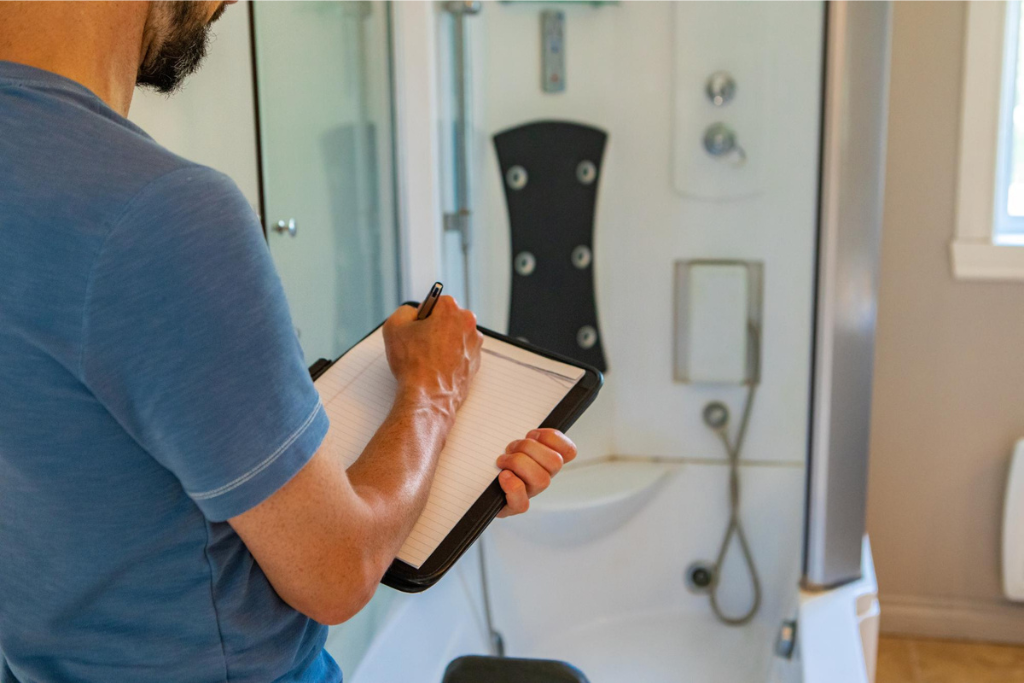
Have professionals install them. A loosely fitted bar can be more dangerous than having no bar at all. With this upgrade, in-home health care services assign nursing professionals to inspect the bathroom space and recommend exactly where installation is needed, in addition to caring for grooming or bathing needs of seniors.
Reducing Slip Risk on Floors and Surfaces
Another common and preventable cause of bathroom falls among older adults is wet tiles. Simple traction improvements can notably reduce the risk without major construction.
What reduces slip risk
- Placing non-slip mats inside and outside the shower or tub
- Textured coatings or strips applied right onto the tile
- Bath mats with rubber backing that will not shift underfoot
Such changes are cost-effective. They often make a huge difference in reducing fall risk. If a senior falls, do not immediately try to lift them if they may be injured.
Improving Lighting and Visibility
A dimly lit bathroom often hides dangers such as a stray bath mat or wet spots that cause falls. Adequate lighting can help a senior spot obstacles before they become a problem.
How to improve visibility
- Brighter, motion-activated lighting near the entrances
- Nightlights for safe trips at night
- Clear sightlines that are free of clutter or loose rugs
Proper lighting is one of the most straightforward upgrades and can have a huge impact on a senior’s safety.
Making the Toilet and Shower More Accessible
Standard toilets and showers aren’t often built with mobility limitations in mind. This is where proper accessibility upgrades can help. Small adjustments can make daily bathroom use less physically challenging.
What accessibility upgrades include
- Elevated toilet seats that reduce strain on a senior’s knees
- Curbless or walk-in showers that eliminate a stepping hazard
- Shower chairs or benches for seniors who get tired standing
These minor upgrades can restore independence a senior may have lost over time. This is where understanding activities of daily living matters, since bathing and toileting remain core to daily independence.
Planning for Emergencies in the Bathroom
Even with every precaution in place, a plan for the unexpected still matters. Quick access to help can change the entire outcome of a fall.
What emergency planning looks like
- A waterproof medical alert device worn in the shower
- A phone or call button within reach of the floor
- A clear plan for who to contact in an emergency
Preparation cannot prevent every fall, but having a way to call for help can reduce the time a senior is left without assistance.
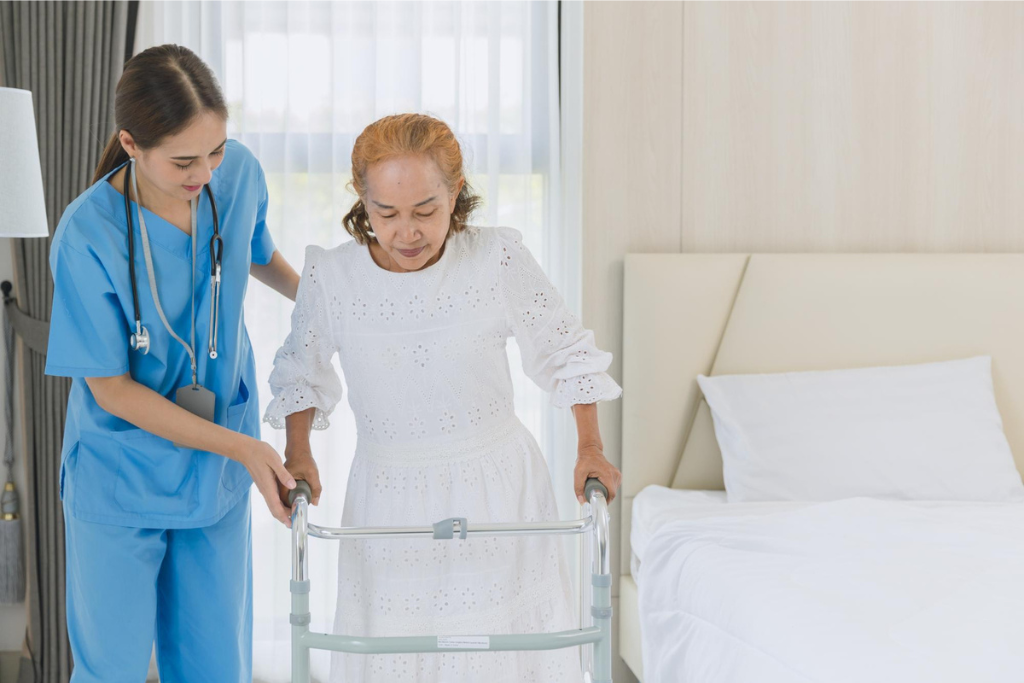
Home Safety Support From Working Nurses Homecare
Fall prevention doesn’t stop at the bathroom door. It’s part of a much bigger picture of staying safe at home. During home visits, caregivers and nurses may notice safety concerns and communicate them to the senior and family. Depending on the situation, families may also benefit from recommendations from an occupational or physical therapist or an accessibility professional.
A typical home safety visit often includes the following
- A walkthrough of high-risk areas like bathrooms and stairways
- Specific recommendations tailored to a senior’s mobility level
- Coordination with contractors or equipment providers when needed
- Follow-up visits to confirm changes are actually working
Contact us to learn more about in-home support for seniors who need help staying safe and independent at home.
Small Changes Add Up to Real Safety
Making a home safer rarely comes down to one dramatic renovation. It’s usually a series of smaller, practical decisions that add up over time. What works well for one household might not fit another, since every senior’s needs and living space are a little different. Taking safety seriously, without letting it become overwhelming, tends to produce the best results for families in the long run.