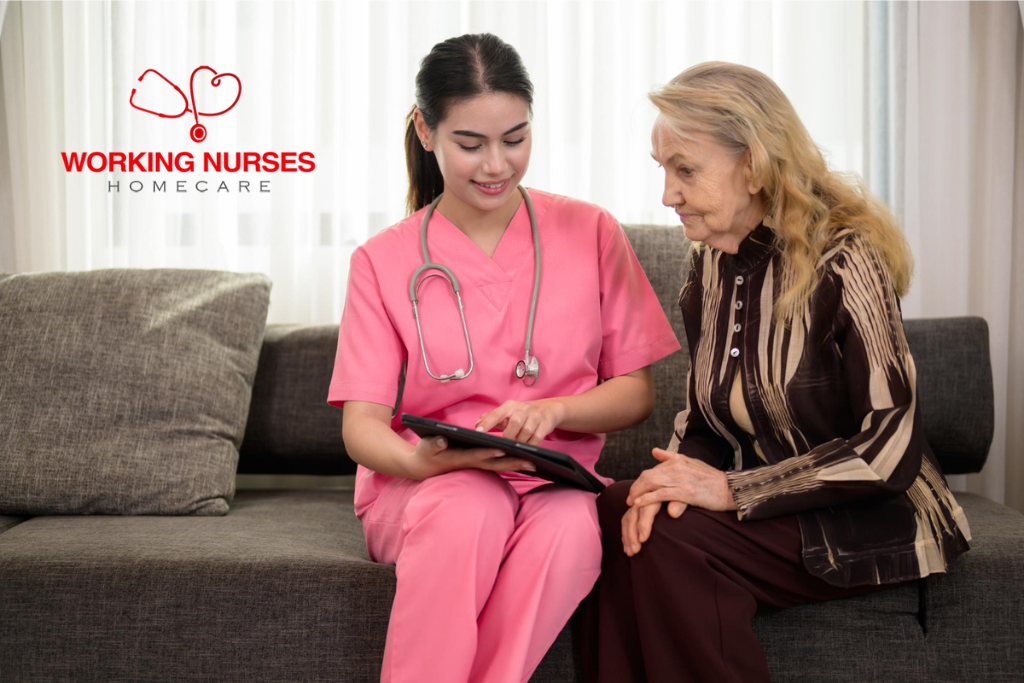
How Nurses Monitor Chronic Conditions During Home Visits
Managing a chronic condition doesn’t stop with a single diagnosis or prescription. Conditions such as heart disease, diabetes, and COPD can change daily. Sometimes, they change in ways that are hard to detect until they add up to something more serious. For most seniors, catching those small changes sooner can mean the difference between simple lifestyle adjustments and a trip to the hospital.
That gap is where regular in-home nursing visits help detect issues early. Effective chronic disease management services provide home health nurses with a close-up look at how a senior is actually doing.
What Nurses Actually Look for During a Home Visit
A nursing visit involves much more than checking a senior’s existing health condition. Nurses monitor changes that may indicate whether a chronic condition is stable or whether additional assessment may be needed.
A couple of common signs that arise in almost every visit are:
- Vital signs such as heart rate, blood pressure, and oxygen levels
- Weight changes that indicate fluid retention or other relevant issues
- How well a senior can manage their medications daily
None of these signs tell the whole story. That’s why nurses look at them together over time. Consistent visits make it easier to detect gradual changes in a senior’s health that a generic appointment often misses. This is where a reputable in-home healthcare provider like Working Nurses Homecare steps in to maintain that consistency. They help schedule the right type of regular nursing visits to detect changes that occasional appointments would miss.
A Closer Look at How Nurses Monitor Chronic Conditions
Monitoring chronic conditions involves different layers of attention. Each layer builds a clearer picture of a senior’s health.
Tracking Vital Signs Over Time
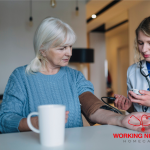
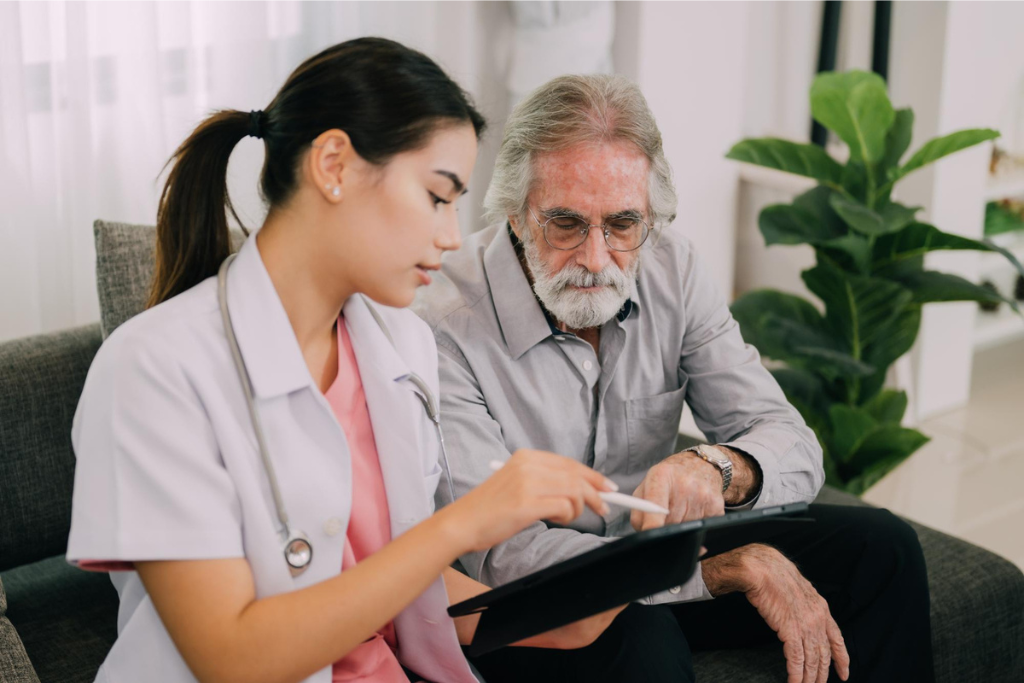
A single blood pressure reading offers only a snapshot. Tracking readings over time can help identify patterns that may warrant further evaluation. Nurses would track these numbers closely at every visit to detect meaningful trends.
What vital sign tracking reveals
- Gradual rise or drop in blood pressure over a week
- Oxygen levels that fall during specific times of day
- Changes in heart rate that may warrant further assessment
These patterns often indicate an issue long before a senior notices symptoms. During the first skilled nursing visit at home, vitals tracking begins. This establishes a steadier baseline of numbers for every future visit.
Reviewing Medication Effectiveness
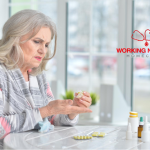
Home healthcare nurses often check more than whether medications are taken on time. They monitor the senior’s response to medications and look for side effects or changes that should be communicated to the prescribing provider. Changes in a senior’s condition or response to a medication may require the prescribing provider to reassess the treatment plan.
What medication reviews involve
- Comparing symptoms against what a medication controls
- Inspecting adverse effects that might need a change in dosage
- Confirming refills and supplies that keep pace with the evolving needs
A medication that looks fine on a prescription often doesn’t perform the same way in daily life. Families should also know the warning signs that older adults may be having difficulty managing medications safely. This is where home healthcare services can identify the gap and review real-world effectiveness instead of relying only on the prescription label alone.
Watching for Early Warning Signs
A common misconception is that chronic conditions worsen overnight. They typically start with smaller signals. Detecting those signs sooner can prevent a larger health event later.
What early warning signs look like
- Unusual tiredness or alteration in sleeping habits
- A person may experience swelling in the ankles, legs, and feet
- A sudden episode of confusion or difficulty concentrating
Detecting early warning signs during a routine visit can prevent frequent emergency room visits.
Educating Seniors and Families on What to Watch For
In-home nurses do more than basic health monitoring. They help seniors and families understand what to watch for between visits. This knowledge can help with monitoring without needing to visit every time.
What this education typically covers
- Symptoms that warrant an emergency versus watchful waiting
- Ways to monitor basic measurements of vital signs
- What changes occur in general, as compared to the ones worth noting
When a family stays informed, they often detect changes as quickly as a scheduled visit would. This emphasizes the importance of personalized home care for seniors. Knowledge tailored to a senior’s specific health conditions can support better recovery than generic advice.
Coordinating Findings With Physicians
In every home visit, the nurse closely observes a senior’s condition and updates the physician. This communication keeps treatment decisions grounded in current, real information.
How coordination typically works
- Shared updates after every visit that show a meaningful change
- Concerns raised on a senior’s behalf before their upcoming appointment
- Care-plan adjustments based on changes observed in the home
This back-and-forth can keep a senior’s care plan responsive instead of static.
The Working Nurses Homecare Approach to Chronic Condition Care
For older adults managing chronic conditions, consistent monitoring between medical appointments can provide valuable insight into day-to-day changes. At Working Nurses Homecare, our approach is driven by real monitoring through consistent, hands-on visits without any occasional snapshots. Our home healthcare services in Palm Beach, Martin County, and Broward County support families seeking attentive care.
Families choosing our in-home assistance will find the following in place with every visit:
- A nurse with a complete understanding of a senior’s health history
- Clear, documented updates after every visit
- Flexibility to increase visit frequency whenever conditions change
- Consistent care from familiar caregivers and nurses
Contact us today to learn how we can build a comprehensive health monitoring plan around your older loved one’s specific condition.
Conclusion
Managing a chronic condition rarely comes down to a single decision. It involves small, consistent observations that add up over time. Home health care is an ongoing process, not a one-time check.
Nearly every health issue looks different depending on the illness, the senior’s daily routine, and how fast symptoms appear. More than any single intervention, regular home care focuses on ongoing support.