How Skilled Nursing Helps Seniors Recover After Surgery
Recovering from surgery is not as simple as walking out of the hospital and returning to normal life. For seniors, the days and weeks after a surgery carry real risks such as slower wound healing, weakened muscles, medication mix-ups, and a higher chance of complications. All these risks can lead them straight back to the emergency room.
Age changes how the body heals, and a routine procedure for a younger patient can become a huge undertaking for someone in their 70s or 80s. This is why skilled nursing services play such an important role in helping older adults recover safely at home.
This is where skilled nursing services become extremely valuable. Instead of leaving recovery to chance, licensed nurses manage the medical side of healing right at home.
What Is Skilled Nursing Care?
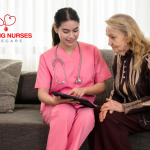
Skilled nursing care is provided by licensed healthcare professionals, including Registered Nurses (RNs) and Licensed Practical Nurses (LPNs), who are trained to perform medical services that go beyond personal care. These nurses are trained to manage clinical tasks that go beyond basic assistance.
This type of medical care is only one part of a much bigger picture. A home healthcare provider for seniors brings skilled nursing, medication oversight, and daily personal assistance in a single well-coordinated plan. The providers bring this clinical component together with the daily support most seniors need, so families don’t have to coordinate everything themselves.
Why Surgical Recovery Is Riskier for Older Adults
The road to recovery for older adults is extremely challenging, as it carries more risk after surgery. So, here are a couple of reasons why recovery is often considered riskier for seniors:

- Slower tissue healing overall
- Higher risk of falls
- More complex medication needs
- Limited energy for daily tasks
The risks are evident through recent research. A study published in “Innovation in Aging” discovered that 31% of seniors experienced complications post-surgery while 15% were readmitted to the hospital within 30 days of discharge.
None of this means recovery is scary. With the right in-home healthcare services for seniors, recovery can be a safer route and at a pace that aligns with the patient’s needs.
Core Services That Support Surgical Recovery
A skilled nursing team covers different services during recovery, adjusting plans as the patient heals:
| Service | What’s Covered |
| Wound care for seniors | Supporting healing and preventing infections |
| Medication management | Managing medicine dosages and schedules |
| Monitoring vital signs | Detecting early warning signs through active health tracking |
| Mobility and fall prevention | Safer movement and fall risk reduction |
| Pain management | Keeping pain under control |
| Chronic disease management | Ongoing care for long-term conditions |
| Memory care support | Guidance over Alzheimer’s care |
The Benefits of a Skilled Nursing Visit at Home After Surgery
A skilled nursing visit at home brings hospital-grade care into a familiar setting, providing seniors with clinical support without leaving the comfort of home.
Catching Complications Before They Escalate
The initial few days after coming home from surgery are often riskiest when complications are likely to appear. The body still adjusts to incisions, anesthesia, and reduced mobility.
What Do Nurses Check During a Home Visit?
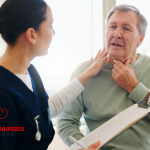
- Vital signs and pain levels
- Incision site and healing
- Signs of infection or swelling
- Overall alertness and comfort
This expert individual monitoring clearly illustrates the importance of personalized home care for seniors. This is ideal to detect smaller issues before they turn into emergencies.
Managing Pain and Medication Safely
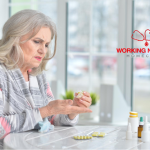
Pain is expected after surgery. However, managing it safely involves more than just following a prescription label, especially when new medications are added to those already being taken. This is why recognizing early warning signs of medication management issues, such as mixed-up dosages or missed refills, can prevent much larger setbacks later.
How skilled nurses help
- Tracking pain levels accurately
- Adjusting dosages as healing progresses
- Watching for medication interactions
- Reducing dependence over time
Professional oversight can help prevent both unmanaged pain and the risks associated with over- or missed medication.
Reduced Exposure to Infection
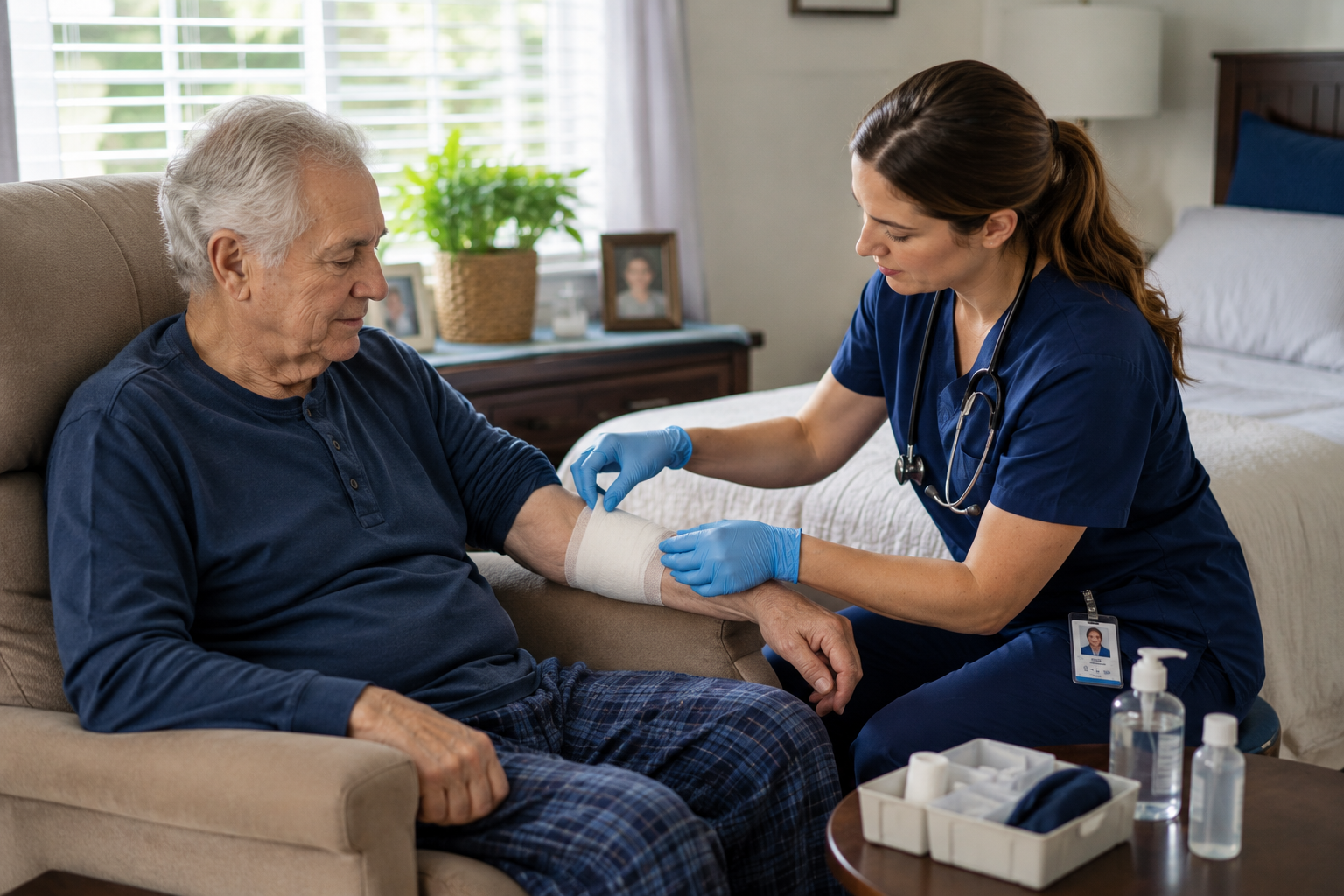
Both hospitals and care facilities carry a higher risk of exposure to new infections. Staying at home during recovery can eliminate these risks while still offering full clinical oversight.
Why is staying home lower risk?
- Fewer surfaces, staff, and patients to be exposed to
- No shared rooms or high-traffic waiting areas
- Full nursing oversight without the facility exposure
Lower infection exposure means fewer setbacks and a smoother, steadier path back to full strength.
Comfort and Familiar Surroundings
Recovering in a familiar environment can help seniors feel calmer and secure during these vulnerable moments. Comfort is extremely important since it determines how quickly and fully a body heals after surgery.
How do familiar surroundings help?
- Better sleep and lower anxiety than an unfamiliar facility
- Time near family, pets, and personal belongings
- A calmer environment that reduces stress-related setbacks
A familiar setting offers older adults one less thing to adjust to while their bodies focus on healing. Comfort here means as simple as sleeping in a familiar bed and surroundings. For example, families seeking home healthcare services in Wellington often mention wanting a parent to recover surrounded by their own garden or a favorite spot on the porch, rather than four unfamiliar walls in a facility.
Supporting Nutrition and Hydration During Healing
A senior’s body will need extra fuel to repair tissue and rebuild strength after surgery. Yet appetite often drops at that moment, which is why good nutrition is important here.
How does it support the healing process?
- Encouraging balanced, regular meals
- Monitoring fluid intake closely
- Watching for unplanned weight loss
- Adjusting diet around new medications
The nurses will encourage good meals and steady hydration by creating a proper nutrition plan. This is one of the simplest forms of assistance with activities of daily living and supports every part of recovery.
Rebuilding Strength and Mobility Safely
Regaining strength post-surgery takes time. Moving too quickly or not at all can slow down recovery or lead to a fall.
Getting Back on Your Feet
- Guided movement and light exercise
- Safe transfers in and out of bed
- Balance support during walking
- Gradual increases in activity
This type of guided, gradual progress often makes a huge difference between a full recovery and a lingering limitation.
Coordinating Care to Prevent Readmissions
Hospital readmissions after surgery are common among seniors. These are often caused by complications that could have been detected sooner with closer attention at home.
Catching Problems Early
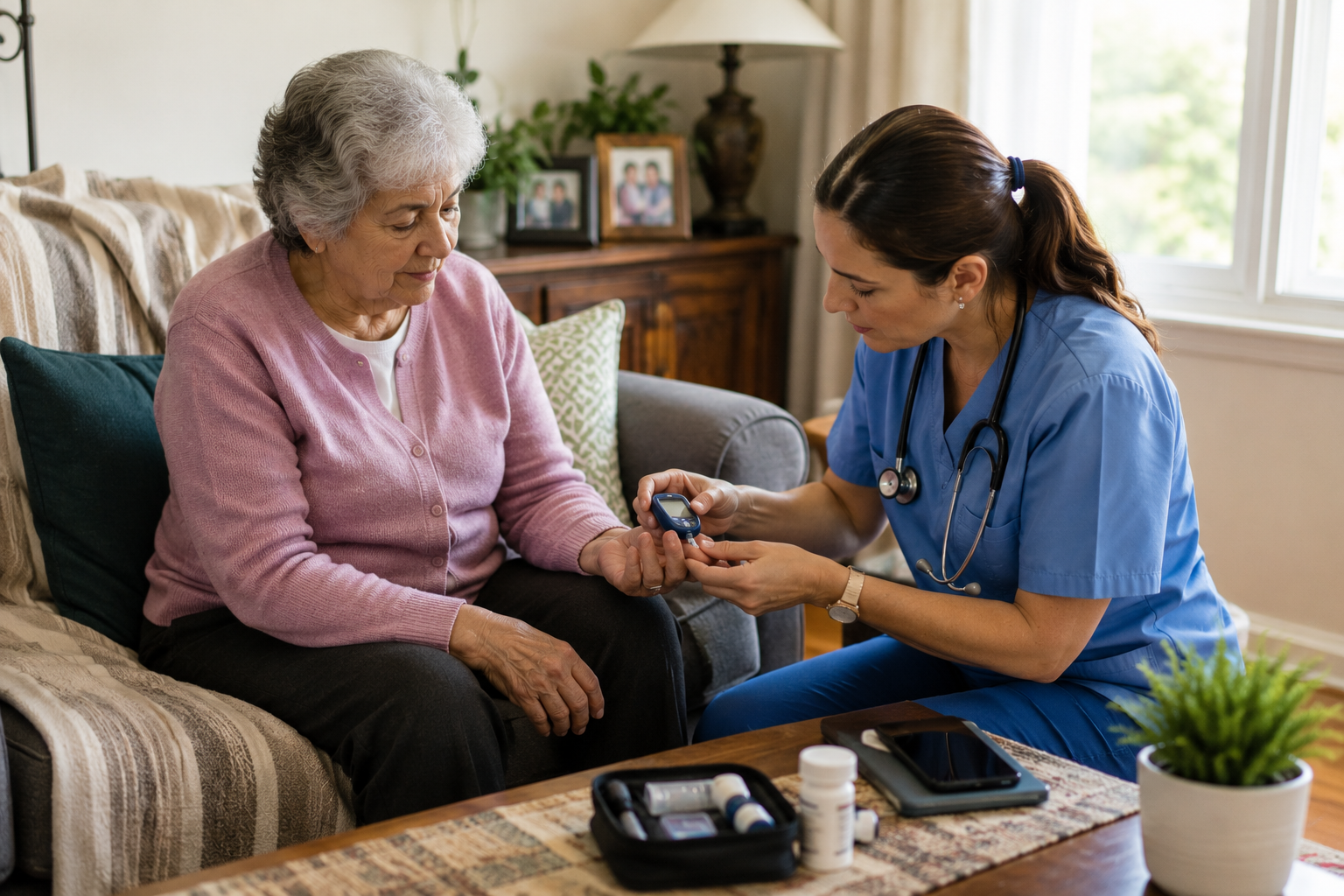
- Daily symptom and vital checks
- Direct communication with surgeons
- Early medication adjustments
- Faster response to warning signs
Detecting issues sooner is one of the easiest ways to avoid an unplanned trip back to the hospital. Depending on the type of care needed, families may choose private-pay services to begin support quickly or supplement insurance-covered services.
Recovering at Home with Working Nurses Homecare
Recovering well after surgery depends on more than good intentions. It takes a team you can trust to notice small changes early, communicate clearly, and adjust the plan as healing progresses.
Working Nurses Homecare was built to be exactly that kind of partner during recovery. Every visit is designed around benefits your family will notice right away:
- Faster response to complications
- One familiar face throughout recovery
- Flexible scheduling around appointments
- Coordination with your surgical team
This kind of consistent, coordinated support gives families real peace of mind throughout recovery. Contact us to build a care plan that brings comfort, safety, and expert support right to their door.
Final Thoughts
Every recovery looks a little different, and the pace of healing rarely follows a fixed schedule. What matters most is having support that can adjust just as quickly as circumstances change, whether that means stepping back as strength returns or stepping in more closely after a setback.
Families who plan for this kind of flexibility from the start often find the entire recovery process feels far less overwhelming, with fewer surprises and a clearer sense of what comes next at every stage.
Frequently Asked Questions
How soon after surgery can skilled nursing support begin?
Support often begins the same day as hospital discharge, since the first few days at home tend to carry the highest risk of complications.
How long does recovery support typically continue?
Duration depends entirely on the procedure and how healing progresses, ranging from a couple of weeks to several months, with visits gradually decreasing.
What areas does Working Nurses Home Care serve?
Working Nurses Home Care provides care throughout Palm Beach County, Martin County, and Broward County, covering communities from Wellington to Fort Lauderdale and everywhere in between.