How Diabetes Affects Wound Healing in Older Adults
Diabetes changes how the body heals, and it shows up clearly in wounds. A minor cut or small blister may heal relatively quickly in a healthy person. However, for older adults with diabetes, healing can take longer, particularly when blood circulation, nerve function, or blood glucose control is affected. The longer a wound remains open, the greater the opportunity for complications such as infection, particularly in someone with diabetes.
This emphasizes the need for early and consistent care to prevent small problems from becoming bigger issues. This is where at-home wound care services can help seniors detect changes sooner, right where they live. Regular monitoring can help identify concerning changes earlier, allowing families to seek appropriate medical attention before a problem becomes more serious.
How Diabetes Changes the Way Wounds Heal
High blood sugar often interferes with almost every stage of the natural healing response of one’s body. Gradually, that interference starts adding up, making routine wounds extremely complicated for seniors who are managing diabetes.
Different factors work together to slow down the healing process:
- Limited blood flow prevents oxygen and nutrients from reaching the wound site
- Nerve damage can prevent a senior from detecting injury sooner
- Higher blood sugar levels weaken a body’s ability to ward off infection
- Fragile skin breaks down easily, and healing takes time
How a senior lives also affects how soon issues are detected, as access to regular in-home monitoring can vary by community. For instance, older adults in Martin County might have home health care providers who monitor healing wounds and detect changes before they turn serious. Working Nurses Homecare provides home health care services to seniors throughout its Florida service areas, including Martin County, helping families coordinate appropriate support at home.
A Closer Look at How Diabetes Slows the Healing Process
Several factors explain why diabetes slows wound healing, and each plays a role in a senior’s recovery.
Reduced Circulation and Blood Flow
Diabetes gradually stiffens and narrows blood vessels. This restricts the amount of oxygen-rich blood that can reach the skin. Without a proper supply, tissue repair becomes extremely difficult.
Why circulation matters for healing
- Oxygen supply slows how soon new tissue forms
- Nutrients required for repair fail to reach the wound
- Cold hands and feet indicate reduced blood flow
Nerve Damage and Delayed Detection
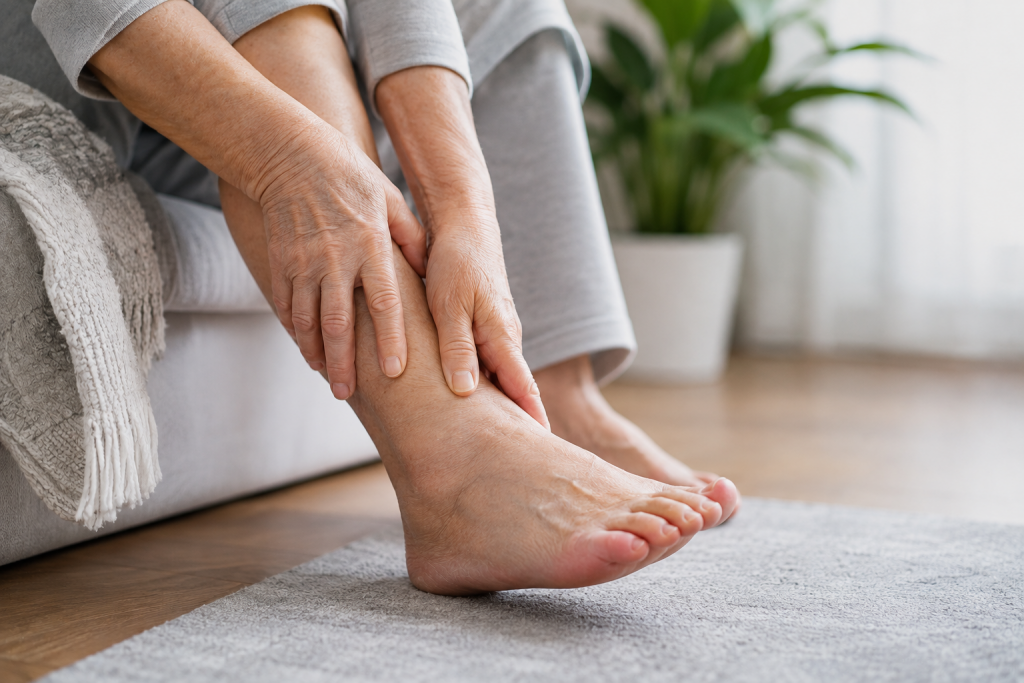
Sensations in feet and lower legs might start to dull due to diabetic neuropathy. These are the common areas where wounds happen. An older adult might not even detect an injury till things become serious.
How neuropathy delays treatment
- Numbness often hides the pain from pressure sores or cuts
- Minor injuries may go unnoticed when sensation is reduced
- Regular visual inspections become important when sensations are reduced
Routine checks matter as much as wound care. This is where home health aide services can help with daily foot and skin checks when a senior no longer feels any injury forming.
Elevated Blood Sugar and Infection Risk
Poorly controlled blood glucose can impair immune function and make it harder for the body to fight infections. Immune cells also struggle to respond immediately. A wound that heals cleanly turns extremely vulnerable and at risk of infection.
What elevated blood sugar affects
- White blood cells start responding more slowly at the wound site
- More chances of bacteria multiplying before actual healing begins
- Extended recovery time once infection starts setting in
Controlled blood sugar levels are one direct way to support the healing process. A consistent schedule with home health care services reinforces that control every day. Depending on the care plan, home health professionals may monitor blood glucose, reinforce prescribed diabetes-management routines, and communicate concerning changes to the healthcare team.
A Weakened Immune Response
Diabetes can suppress parts of the immune system that would normally defend a new wound. That weakened response leaves older adults exposed when they need protection most.

How immune changes affect recovery
- Fewer immune cells reach the wound site quickly
- Inflammation may last longer than it should
- Even minor wounds can escalate without close monitoring
This weakened immune response is exactly why professional oversight matters so much for diabetic wounds. A home healthcare referral from a physician is often the starting point for that oversight, especially once a weakened immune system raises the stakes.
Skin Fragility and Slower Tissue Repair
Aging skin already loses elasticity and thickness over time, and diabetes accelerates that process. The result is skin that tears, cracks, and breaks down more easily than it once did.
What fragile skin means for care:
- Even small friction or pressure can cause a wound
- Existing wounds are more prone to reopening
- Moisturizing and skin protection become part of daily care
Protecting the skin itself is often just as important as treating a wound after it appears. This is where assistance with activities of daily living services can reduce that risk directly, since careful help with bathing, dressing, and transfers means less friction and pressure on skin that’s already fragile.
Working Nurses Homecare’s Commitment to Careful, Clinical Wound Support
Managing a wound that doesn’t heal on its own often takes more than a single visit to a doctor’s clinic. That’s especially true when diabetes becomes part of the picture.
At Working Nurses Homecare, our licensed team knows how diabetes can complicate healing. For families who need additional care arranged directly without any delays, our private care services offer an immediate way to get that support.
Here’s what our expertise shows in practice to manage a healing wound:
- Trained nurses who assess the wound and offer diabetic care
- Direct communication with a senior’s physician throughout treatment
- Care schedules built around how soon a wound will need attention
- A steady face instead of rotating or unfamiliar staff
Contact us today if a wound isn’t healing the way it should and see how we can help!
Healing Takes More Than Time
Wound healing isn’t just about the wound. It is especially important for older adults managing a chronic condition. A small, consistent routine often matters more than a single-line treatment. Early attention can also prevent major problems in the future.
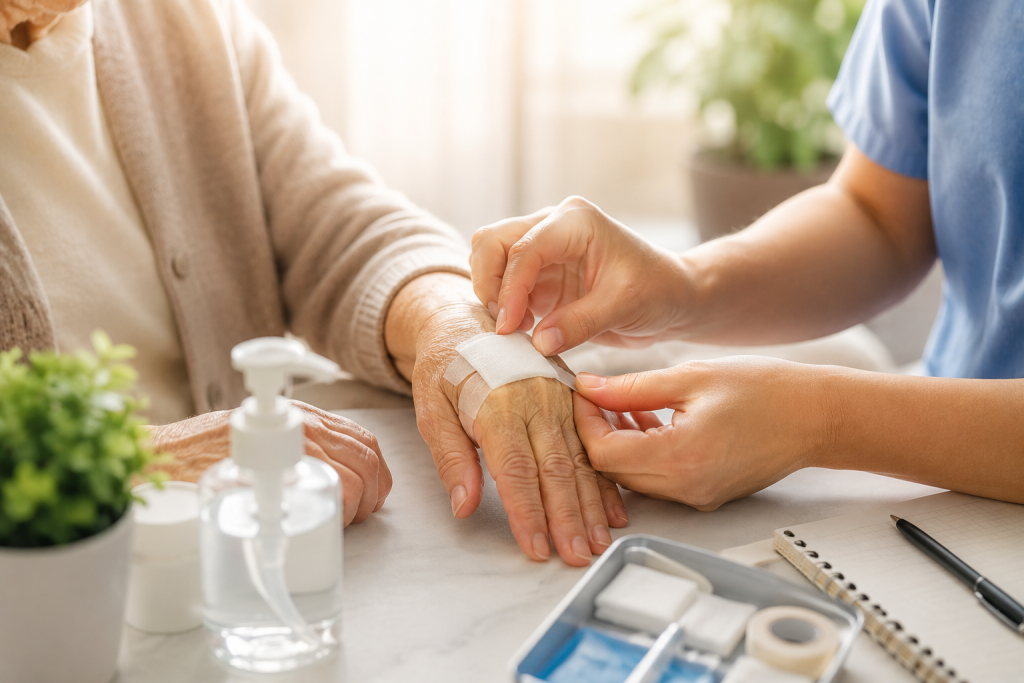
Every senior’s situation is different, shaped by overall health, daily routines, and how quickly changes are detected. Staying patient and proactive makes a huge difference over time.
Frequently Asked Questions
How long should a diabetic wound take to heal?
Healing time varies depending on the wound, circulation, blood glucose control, overall health, and treatment. People with diabetes should monitor wounds closely and contact their healthcare provider if a wound is not improving or if there are signs of infection or other concerning changes.
Should every wound be seen by a doctor, even a small one?
Small wounds can often be monitored at home, but any sign of redness, swelling, or drainage is a reason to seek medical attention quickly.
Can better blood sugar control actually speed up healing?
Yes, keeping blood sugar within a healthy range is one of the most effective ways to support the body’s natural healing process.