What Happens After a Doctor Refers a Senior for Home Health Care
When a doctor refers a senior for home health care, families often have questions about what happens next. Who will call? How soon will care begin? What information will the provider need? Understanding the process can make the transition from a hospital, doctor’s office, or rehabilitation facility to home care much easier.
In reality, the first stage generally follows a predictable flow that helps families understand what to expect as they move forward. The referral process for home health care services follows a clear, structured flow. From the first phone call to the start of care, this process helps families understand what comes next.
What a Home Health Care Referral Actually Means
A home health referral or order is a request from a healthcare provider for specific services a senior may need at home, such as skilled nursing or therapy. Depending on the type of care and how it will be paid for, additional documentation and eligibility requirements may apply. The referrals can be issued by:
- A hospital discharge coordinator after an inpatient stay
- A primary care physician who tracks a senior’s existing condition
- A specialist following a surgery or a new diagnosis
- A rehabilitation facility as a senior returns home
No matter who initiates the referral, it doesn’t provide the care services a senior needs. Where a senior lives also affects how quickly the next stage begins, since coverage and response times vary by location.
For instance, seniors in Palm Beach County may receive referrals through local agencies familiar with nearby hospitals or healthcare providers. Working Nurses Homecare serves families throughout Palm Beach County and works with healthcare providers and families to coordinate the next steps after a referral.
A Closer Look at Each Stage of the Process

Once a referral is received, the process follows a series of steps that happen one after the other.
The Initial Referral and Intake Call
A care coordinator will typically contact the senior or family after the referral is received to gather information and discuss the next steps. The initial call focuses on gathering information and making immediate decisions.
What the intake call covers:
- Gathering basic medical history and ongoing diagnosis
- Emergency contacts and primary people involved in a senior’s care
- Preferences on schedules for home visits
This initial call shapes the entire care routine, and families can also discuss concerns before the process begins. These questions play an important role in determining how soon skilled nursing services are arranged.
Coordinating With the Referring Physician
The agency will contact the referring physician to confirm the referral details before scheduling a visit or coordinating a care plan. This step keeps everyone involved, along with the care team and family members, updated before the process begins.
What care coordination actually involves:
- Confirmation of specific services that the doctor referred
- Reviewing health conditions and care needs
- Deciding how care updates will be communicated going forward
This coordination before care begins prevents miscommunication once the process starts. Families who prefer to arrange direct care can also choose private pay options for seniors that provide the same level of coordination and attention from day one.
The In-Home Assessment
A qualified member of the care team, such as a nurse or therapist, will visit the senior’s home to assess their needs. This comprehensive assessment determines how the entire care plan will be coordinated.
What the assessment focuses on:
- Home safety and possible fall risks
- Existing medications and medical equipment required
- A senior’s ability to manage daily household tasks
The details gathered from this visit can help the care team create a complete care plan. How a senior manages dressing, bathing, and moving around the home highlights the importance of activities of daily living. This directly affects how the care plan is created based on a senior’s preferences.
Building a Personalized Care Plan
The care plan translates the physician’s orders and assessment findings into a specific, actionable schedule. Every plan is built around one senior, not a general template.
What a care plan typically defines:
- Which services are provided and how often
- Specific goals, like improved mobility or wound healing
- How progress will be tracked over time
The care team develops the plan based on the physician’s orders, assessment findings, and the senior’s individual needs. The family can ask questions and discuss the recommended services before care begins.
The First Visit and Ongoing Care
The first visit begins the home health episode of care and may include an assessment, review of medications and symptoms, treatment, education, and discussion of the care plan.
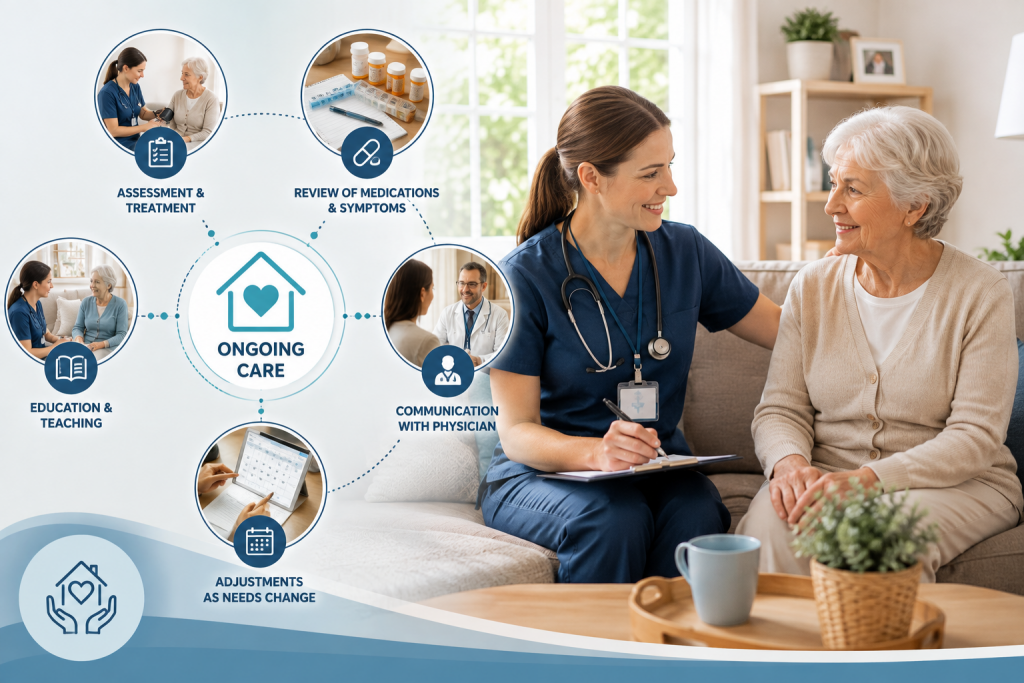
What ongoing care includes:
- Regular visits from the assigned nurse or therapist
- Continued communication with the referring physician
- Adjustments to the plan as needs change
Most families settle into a steady rhythm within the first couple of weeks of care. Depending on the services ordered and the senior’s needs, the broader care plan may also include support with certain daily activities.
Working Nurses Homecare’s Commitment to Quality Care for Seniors
Navigating a home health care referral can feel overwhelming without the right guidance, especially when a family is already managing stress from a hospital stay or new diagnosis.
Working Nurses Homecare makes that process manageable by pairing every referral with licensed, experienced clinicians who move quickly and communicate clearly. We proudly serve seniors across Palm Beach County, Martin County, and Broward County, bringing the same standard of coordinated, personal care.
Here’s what families consistently point to when explaining why they trust Working Nurses Homecare:
- Licensed nurses and therapists with hands-on clinical experience
- Fast, responsive communication from the very first phone call
- Personalized care plans built around each senior’s actual needs
- A long-standing reputation for reliable, compassionate services
If you or a loved one has just received a referral, contact us today to see how we can help.
Finding Steadier Ground After a Referral
A referral marks a turning point, the moment uncertainty starts giving way to a clearer path forward. What feels unfamiliar at first usually settles into something far more manageable once the right people are involved and the right questions get answered.
Every family’s experience looks a little different, shaped by timing, needs, and circumstances that shift along the way. Staying informed and asking questions along the way makes all the difference.
Frequently Asked Questions
How long does it take to move from referral to the first home visit?
The timing varies depending on the referral, the senior’s needs, provider availability, and any insurance or documentation requirements. Some services may begin within days, while others can take longer.
Does the senior or family need to do anything before the intake call?
Having a list of current medications and any recent hospital paperwork on hand usually makes that first call go faster.
What happens if a senior’s needs change after care already begins?
The care plan is reviewed and adjusted as needed, so changes in condition don’t require restarting the referral process.
Does Medicare cover home health care?
Medicare may cover certain home health services for eligible beneficiaries who meet specific requirements, including being homebound and needing skilled services. Coverage depends on the individual’s situation and the services ordered. Families should confirm coverage and eligibility with their healthcare provider and Medicare plan.