How Physical Therapy Helps Seniors Stay Active and Independent
As people age, staying active can look different. Small changes start to appear unannounced. A longer pause before standing up and a shorter walk than the day before are some changes that can appear with aging. These signs are easy to miss until one’s independence starts slipping away.
This is where physical therapy for seniors can help identify mobility challenges and address them before they interfere more significantly with daily life. Care providers help rebuild the strength and balance daily life relies on. A trained therapist creates a plan around what a person seeks to reclaim, an easier flight of stairs or the confidence of gardening once again.
Understanding Physical Therapy for Seniors
Physical therapy is a personalized treatment that improves strength, flexibility, balance, and movement after an injury, surgery, or slow mobility decline. A licensed therapist builds a plan around what a person’s body actually needs.
For seniors who have difficulty traveling to a clinic, home-based physical therapy can provide treatment in a familiar environment.
How Aging Changes the Way Seniors Move
Aging affects the body in ways that can make mobility riskier, even for those who have always been active.
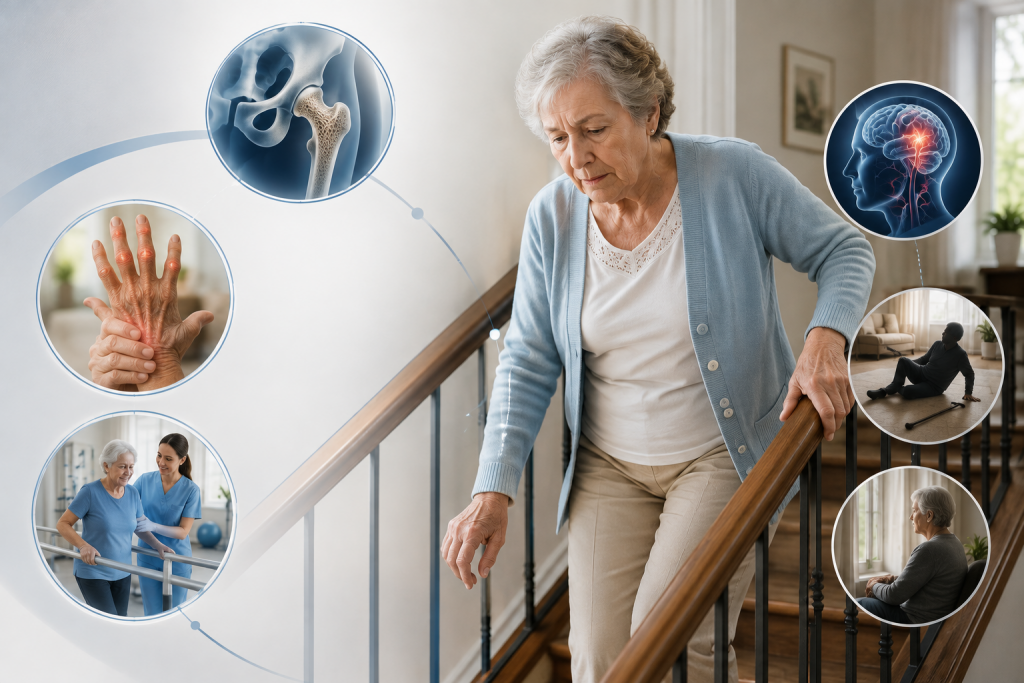
This is how aging can affect how a senior moves:
- Muscle mass and bone density can decline with aging, increasing the risk of falls and fractures.
- Chronic conditions such as strokes or arthritis can limit one’s movement.
- Recovery from illness or surgery is time-consuming and might require rehabilitation.
- A single fall can eventually lead to loss of confidence and reduced activity.
This gradual decline means someone may not be able to maintain their independence or strength. With an appropriate treatment plan, many older adults can improve their strength, balance, mobility, and ability to perform everyday activities.
What a Physical Therapy Plan Typically Includes
A physical therapy plan generally includes treatment for different areas of the body to improve mobility and strength.
A therapy plan typically includes:
- Strength training to build muscle mass supporting daily movement
- Balance and coordination to practice stability with targeted exercises
- Gait training to improve how a person walks to prevent falls
- Pain management techniques to reduce discomfort from past injury or arthritis
- Fall prevention strategies to improve balance, strength, and safer movement
- Post-surgical rehabilitation to restore physical strength
- Chronic condition support to treat Parkinson’s or arthritis
This type of structured support reaches families throughout Florida. Working Nurses Homecare provides home health care services to seniors throughout its Florida service areas, including Delray Beach and surrounding communities.
The Real Impact of Physical Therapy on Daily Life
Physical therapy for seniors offers benefits that go far beyond general exercises, supporting daily confidence and independence.
Faster Recovery After Surgery or Illness
Aging slows recovery, especially after a hospital stay. Expert-led physical therapy can speed up the process safely.
What guided recovery includes:
- A plan tailored to the specific surgery or illness
- Steady progress tracked visit to visit
- Fewer setbacks than recovering without guidance
A well-organized rehabilitation often means a shorter path back to one’s regular life. In addition to therapy after major surgery, skilled nursing services can also support recovery.
Lower Risk of Falls
Falls are one of the most common serious injuries among older adults. Although they are preventable, balance training can help reduce such risks.
How fall prevention works:
- Targeted balance and stability exercises
- A review of fall hazards around the home
- Safer movement habits built through practice
Preventing one fall can avoid months of prolonged recovery. Medication side effects such as dizziness can also affect balance and increase fall risk. A medication review may be appropriate when a senior experiences unexplained dizziness or changes in mobility.
Greater Independence at Home
Independence often depends on being able to manage everyday physical tasks, such as getting out of bed, climbing stairs, preparing a meal, or reaching into a cabinet.

What independence looks like:
- Fewer daily tasks that require help from others
- More confidence moving around the house alone
- Less reliance on family for everyday support
That kind of independence often adds more time for what matters most.
Support for Long-Term Mobility Goals
Physical therapy is not limited to recovery after a major surgery. The treatment helps seniors stay active and can prevent future decline. Ongoing physical therapy can help prevent setbacks later.
How ongoing support helps:
- Regular check-ins to adjust the plan as needs change
- Exercises that evolve alongside a senior’s abilities
- A long-term partner in staying active
Preventing a gradual decline is typically easier than trying to regain lost abilities.
Improved Strength and Balance
Regular exercises can help rebuild muscles that gradually fade with age, mainly across the legs and core. Physical therapy helps make daily movement easier for seniors.
What strength training supports:
- Easier transitions from sitting to standing
- Steadier balance on uneven surfaces
- More stamina for daily activities
Seniors can build real confidence even with small strength gains. This is where home health care assistance between sessions can reinforce those physical activities that improve muscle strength.
Ready to Help Your Loved One Move With Confidence
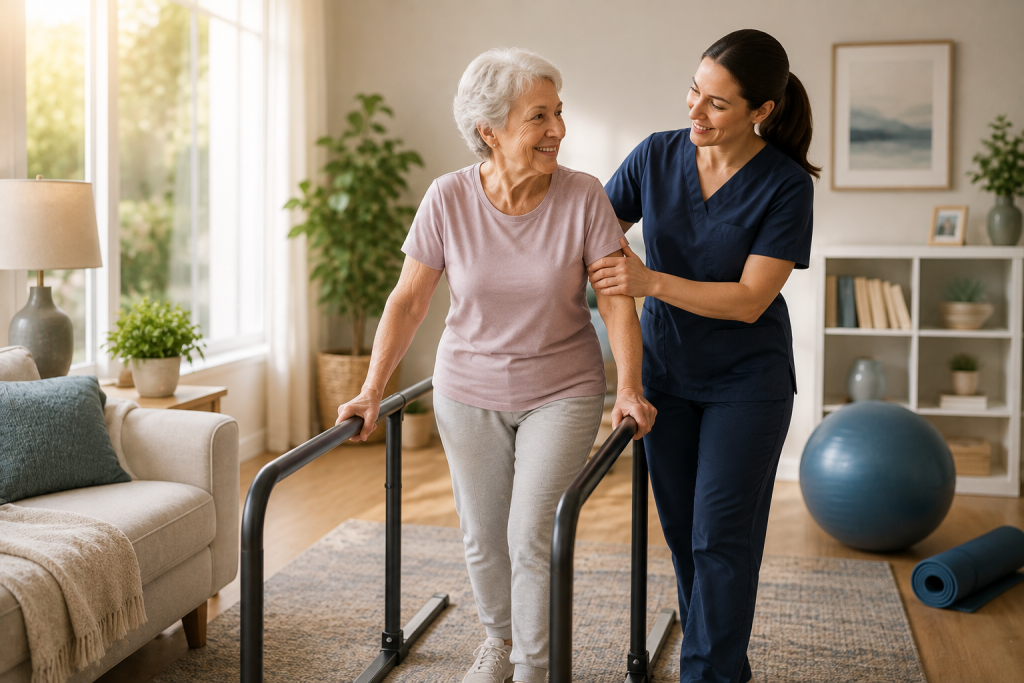
Staying strong and independent doesn’t happen by accident. It takes the right support at the right time. Working Nurses Homecare brings licensed, experienced therapists and nurses into homes across Palm Beach County, Martin County, and Broward County.
We help seniors move safely, work toward recovery goals, and stay confident in their own space. Contact us today to build a plan that helps your loved one stay active and independent.
Frequently Asked Questions
How many physical therapy sessions do most seniors need?
The number and frequency of sessions depend on the person’s condition, goals, mobility, and treatment plan. Some people may receive therapy several times a week initially, while others may need less frequent visits.
Is physical therapy safe for seniors with chronic conditions like arthritis?
Yes. A therapist can adjust exercises to protect joints while still building strength safely.
What’s the difference between physical therapy and general exercise?
General exercise is broad and self-directed, while physical therapy is a targeted, medically guided plan for a specific condition.
Is physical therapy safe for seniors with chronic conditions like arthritis?
Yes. A therapist can adjust exercises to protect joints while still building strength safely.