Understanding Activities of Daily Living and Why They Matter
Daily routines such as getting dressed, remembering to take a pill, or preparing a meal rarely feel great until they suddenly become difficult for your loved one to manage independently. Identifying when these small tasks become real struggles is often the first step toward getting the right type of help.
Such regular tasks are exactly what assistance with activities of daily living revolves around. The routines that most people hardly consider twice about till independence starts to slip away. So, knowing what really counts as an activity of daily living and why it’s important can help families detect early signs and respond with the right home healthcare services instead of any guesswork.
The good news here is that support does not mean losing independence. And it is exactly why assistance with activities of daily living has become the most integral part of modern care.
What Exactly are Activities of Daily Living?
Activities of daily living (ADLs) are basic self-care tasks a person needs to complete regularly to stay healthy and independent. They are the building blocks of regular functioning until illness, aging, or injury makes them harder to accomplish.
When these routines become tougher to manage, in-home senior care services can offer personalized support. These services help people continue living comfortably and safely in familiar surroundings while receiving the assistance they truly need.
Both caregivers and doctors use ADLs as a report card for independence. Struggling over several signs means it’s time to have a serious conversation about safety.
The Six Basic ADLs Everyone Should Know
Most experts categorize ADLs into six main categories that include:
- Bathing and hygiene
- Dressing
- Eating
- Toileting
- Transferring
- Continence
Supporting people with such important tasks needs more than clinical knowledge. Empathy, patience, adaptability, and strong communication skills are the most common traits of home care nurses. These help them provide compassionate support and encourage clients to stay independent, confident, and age in place gracefully.
Instrumental Activities of Daily Living (IADLs)
Instrumental activities of daily living, or IADLs, are routine activities that help people live independently in their homes and communities.
Typically, this includes:
- Management of finances and paying bills
- Preparing meals and grocery shopping
- Laundry and housekeeping
- Arranging for transportation
- Communicating over technology or phone
Has your loved one recently missed a bill or appeared uncertain of their routine? IADL struggles are often the first to show up. So, a clear idea of how a skilled nursing visit at home works can help families know what to expect. It’s during this visit that the nurse will assess how well a person manages IADLs and suggest the right type of support promoting independence and safety.
Why ADLs Matter More Than You Might Think
ADLs are not a checklist that’s used in hospitals and care plans. They’re the real window into someone’s health, happiness, and safety.

Physical Health and Safety
Regular struggles over self-care tasks often lead to physical harm, mainly for older adults who live alone. A single missed step in the shower or a skipped meal can quickly turn into a medical emergency.
As daily routines become more challenging, most families also choose medication management services to ensure prescriptions are taken correctly, reducing the risk of missed doses.
Common physical hazards associated with ADL difficulties.
- High chances of falling while dressing and bathing
- Not eating meals causes poor nutrition
- Irregular hygiene causes skin problems
- Health risks from neglected doses
Such risks have started growing quietly. So noticing small changes at the right time matters.
Emotional and Mental Wellbeing
Being unable to perform or manage regular tasks often affects mood and confidence, not just the body. Most people feel shy or anxious long before admitting they need help.
Emotional struggles and difficulties in ADL:
- Overreaction to minor tasks
- Not interested in friends or hobbies anymore
- Feel embarrassed to ask for help
- Feeling frustrated by simple tasks
Emotional well-being and physical independence are interrelated. Therefore, help your loved ones with these tips to improve their quality of life.
Hospitalization and Medical Outcomes
The challenges a patient faces in their daily living activities are significantly correlated with hospital readmissions and delays in recovery. If self-care is lacking, minor issues tend to get ignored until they become serious.
Why ADL ability is closely tracked:
- After surgery or illness, recovery takes longer
- Not noticing that you are dehydrated or infected
- There is a greater reliance on emergency care instead of prevention
This is why nurses are likely to ask about routines and not just symptoms.
Independence and Sense of Dignity
Independent management of your own routine, even with occasional help available, safeguards your identity, control, and self-worth. Struggling with that ability often appears more distressing than the task itself.
What independence truly safeguards:
- Freedom of personal choice
- Making personal choices
- Use of personal care in a private manner
- Motivating you to be active and engaged
Preserving independence is as important as assistance from home healthcare providers. As care needs change, some families may also explore elite private-pay options for patients who need support aligned with their loved ones’ schedules and needs.
Family and Caregiver Wellbeing
When ADL needs are not met, responsibility often falls on family members without the time or training to manage them. This puts a strain on relationships and also leads to caregiver burnout. As caregiving responsibilities increase, professional home healthcare services ease the burden on family members by ensuring compassionate, consistent care.
Signs that the caregiver’s burden has become too much:
- Continuous fatigue or feeling overextended
- Overlooking your own health or work
- Increased stress, frustration, or resentment
- It is difficult to be responsive
Identifying these signs sooner is often the initial step to finding the right support.
Signs Your Loved One May Be Struggling With ADLs
Did you recently visit your parents’ home and find something off about the place? Trust your gut instinct.
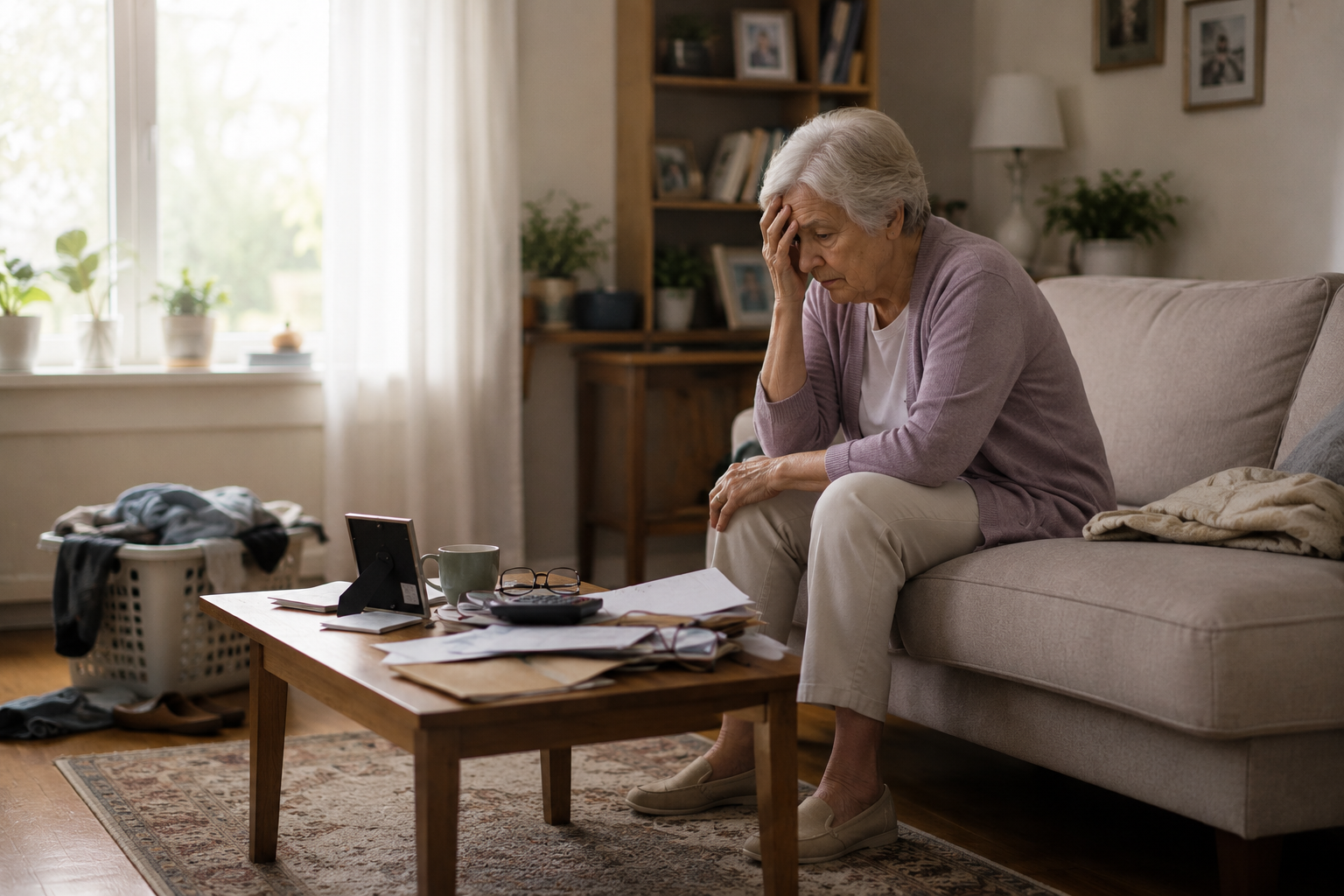
Common warning signs include:
- Piled-up unwashed dishes or spoiled food leftover in the fridge
- Wearing the same unwashed clothes for several days in a row
- Unexplained bruises that indicate falls or balance issues
- Missed medications or confusion over dosages
- Unopened mail, unpaid bills, or late payment notices
- Significant weight loss or change in appetite
- Social withdrawal from friends, routines, or hobbies
- Difficulty getting up from a chair or bed
Does any of the above sound familiar? When these warning signs appear frequently, a home health aide can help with personal care, meal preparation, mobility, and other routine tasks, while encouraging your loved one’s independence.
Finding the Right Kind of Support
Once you are familiar with these signs, the next question is where to find help that fits into your family’s existing routine.
Search for the best home care that offers:
- In-home visits built around your schedule
- Licensed caregivers matched to your needs
- Flexible frequency as needs change
- No need to leave home for care
This type of help is often the easiest to schedule for close to home, right in the neighborhoods where families already reside. For instance, a family seeking home healthcare services in Delray Beach often looks for reliable, local support.
Let Working Nurses Homecare Help You Take the Next Step
Caring for yourself while aging in place, or for someone you love, should never feel like something you have to manage on your own. Working Nurses Homecare has spent several years supporting families with compassionate and deeply personalized in-home care built around real people and real needs.
Whatever your situation looks like, our team is here to listen, walk you through your options, and build a care plan that truly fits your family.
Contact us today, as your family deserves care you can trust, and we would be honored to be part of that journey.
Frequently Asked Questions
How do I know if my loved one needs help with daily activities?
A single missed task is usually not a concern, but a repeated pattern, such as skipped meals or unwashed laundry, is a clear sign that extra support would help.
Does a Home Health Aide replace family involvement?
Not at all. Most families remain just as involved, with an aide simply handling the specific daily tasks that have become harder to manage on their own.
What areas does Working Nurses Home Care serve?
Working Nurses Home Care provides care throughout Palm Beach County, Martin County, and Broward County, covering communities from Delray Beach to Fort Lauderdale and everywhere in between.