How to Make a Bathroom Safer for an Older Adult
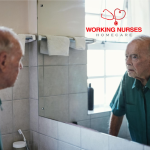
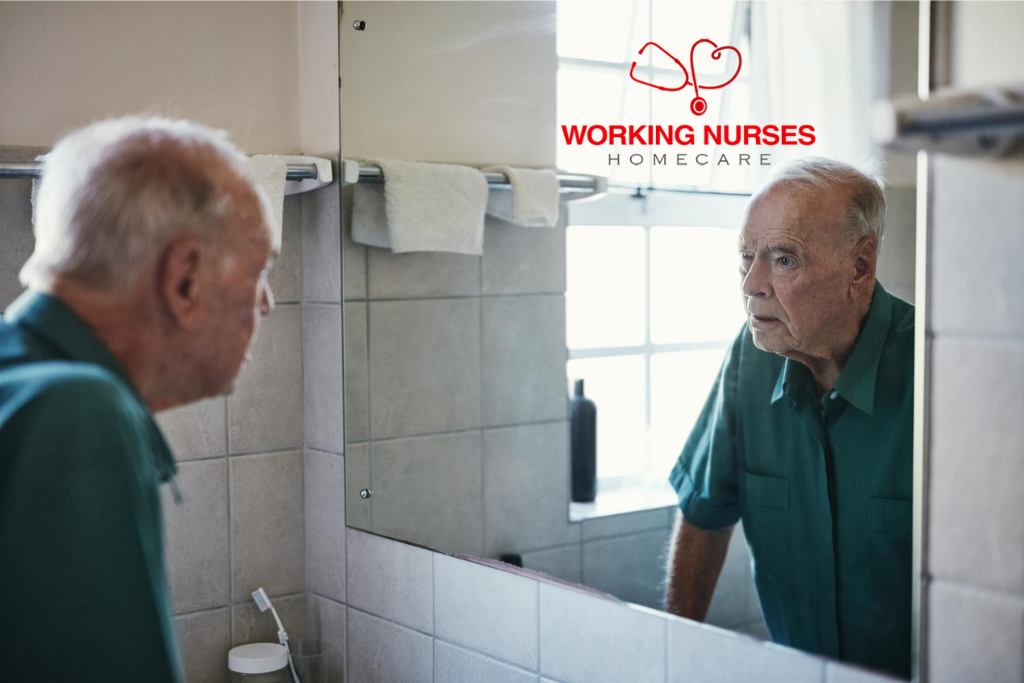
People often assume a bathroom is an ordinary room in a home. In reality, bathrooms can be a particularly high-risk area, especially for older adults. Slick tubs, wet floors, and low toilets might lead to falls, and falls are a major cause of injury among older adults. A room that’s used multiple times a day…

How Nurses Monitor Chronic Conditions During Home Visits
Managing a chronic condition doesn’t stop with a single diagnosis or prescription. Conditions such as heart disease, diabetes, and COPD can change daily. Sometimes, they change in ways that are hard to detect until they add up to something more serious. For most seniors, catching those small changes sooner can mean the difference between simple…

Speech Therapy After a Stroke and What Seniors Can Expect
A stroke can change the way someone speaks or communicates, often overnight. Words that earlier came easily suddenly feel out of reach. Even simple conversations take a lot of effort. For families who watch this happen, it is often the toughest part of stroke recovery, as communication is linked closely to connection and independence. This…
Common Reasons Seniors Miss Their Medications
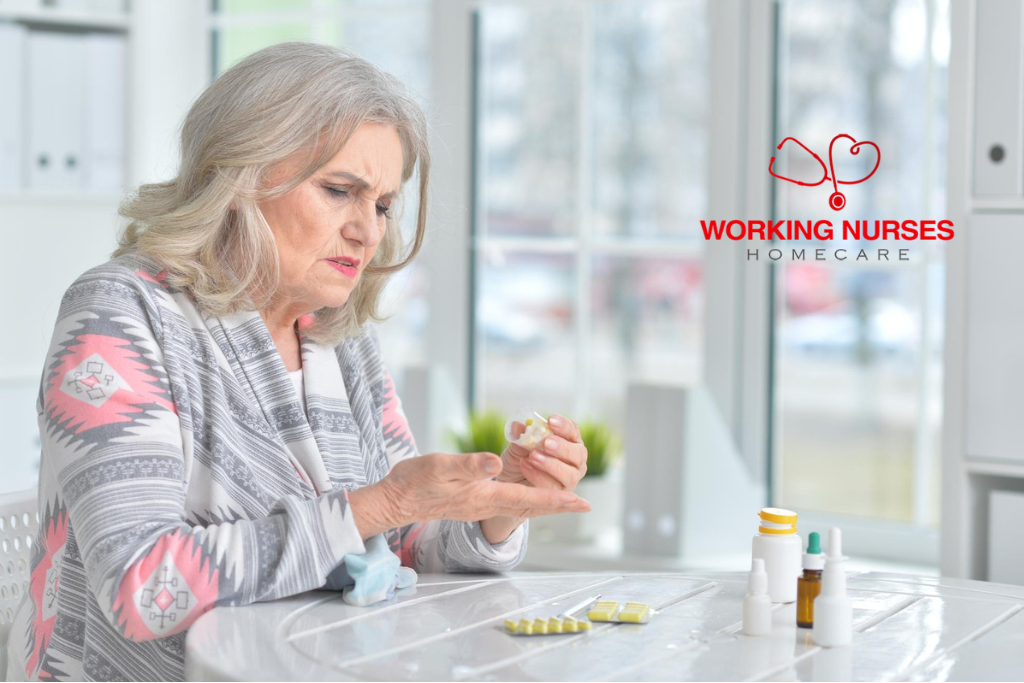
A single missed medication dose may not seem serious. But when missed doses become a pattern, they can interfere with treatment and increase the risk of health complications. For seniors taking multiple medications, keeping track of every dose can become challenging. This pattern is rarely about carelessness or forgetfulness. Typically, it comes down to a…
How Diabetes Affects Wound Healing in Older Adults
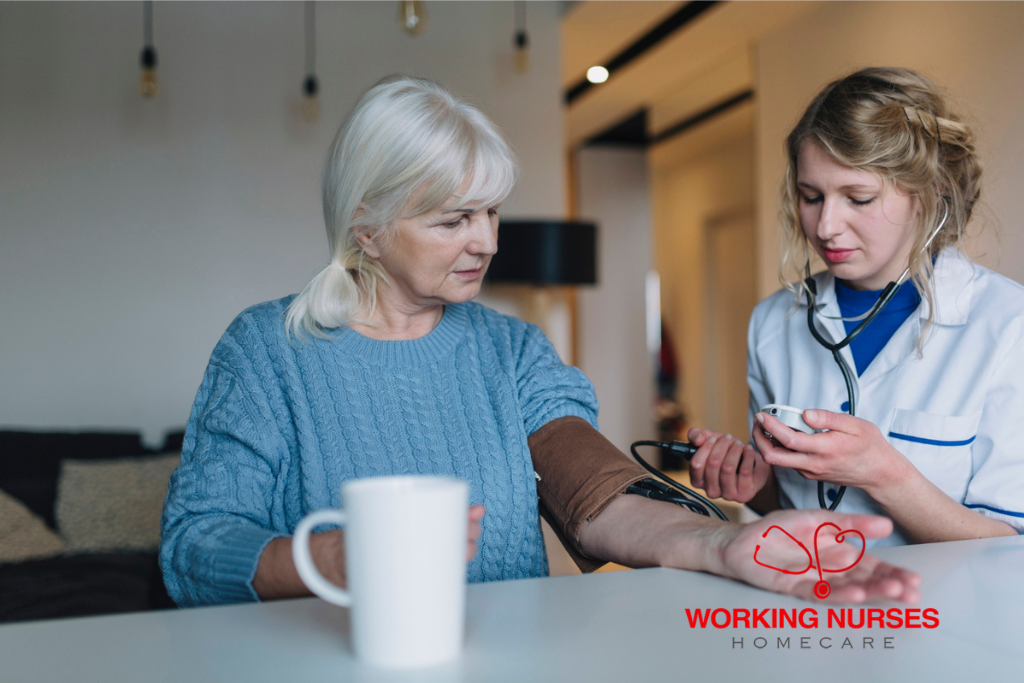
Diabetes changes how the body heals, and it shows up clearly in wounds. A minor cut or small blister may heal relatively quickly in a healthy person. However, for older adults with diabetes, healing can take longer, particularly when blood circulation, nerve function, or blood glucose control is affected. The longer a wound remains open,…

What Happens After a Doctor Refers a Senior for Home Health Care
When a doctor refers a senior for home health care, families often have questions about what happens next. Who will call? How soon will care begin? What information will the provider need? Understanding the process can make the transition from a hospital, doctor’s office, or rehabilitation facility to home care much easier. In reality, the…
How Physical Therapy Helps Seniors Stay Active and Independent
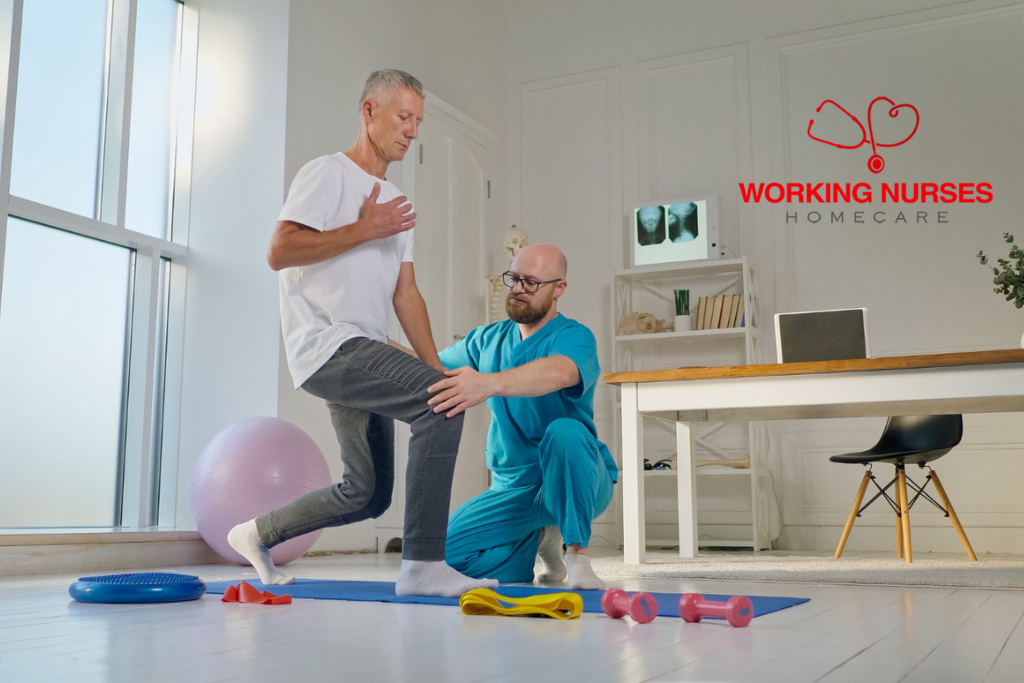
As people age, staying active can look different. Small changes start to appear unannounced. A longer pause before standing up and a shorter walk than the day before are some changes that can appear with aging. These signs are easy to miss until one’s independence starts slipping away. This is where physical therapy for seniors…

The Importance of Medication Management for Seniors Living at Home
Medication management may sound simple, but it isn’t. For seniors who live at home, a daily pill routine can gradually turn into one of the major health risks. Missed or doubled doses can sometimes cause serious health problems, particularly when seniors take multiple medications or medications that require careful dosing. This is exactly where professional…
How Skilled Nursing Helps Seniors Recover After Surgery
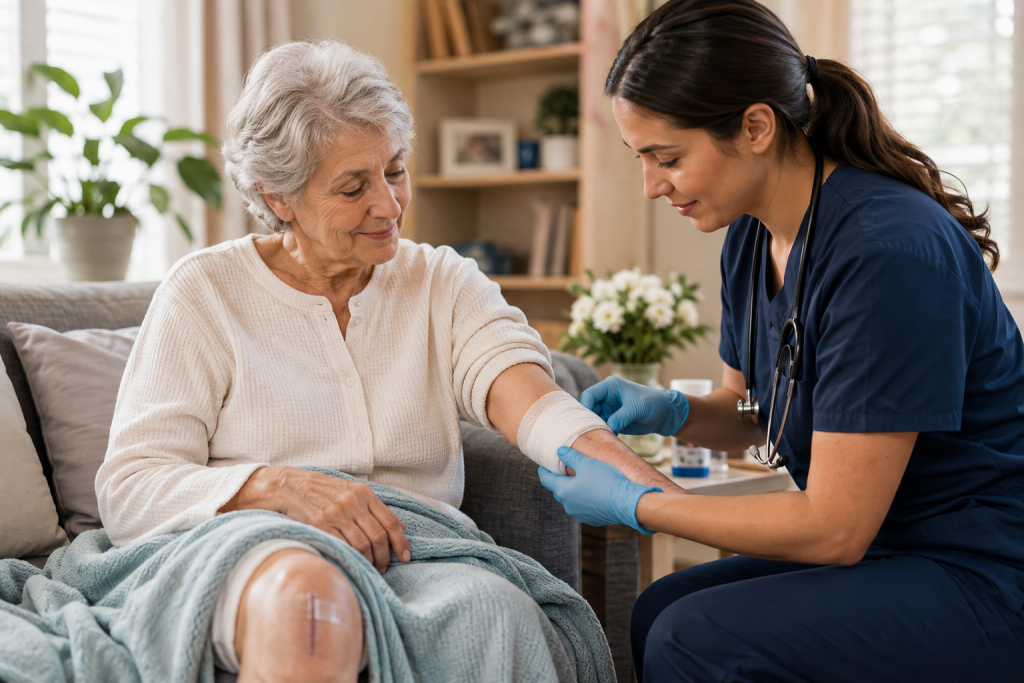
Recovering from surgery is not as simple as walking out of the hospital and returning to normal life. For seniors, the days and weeks after a surgery carry real risks such as slower wound healing, weakened muscles, medication mix-ups, and a higher chance of complications. All these risks can lead them straight back to the…
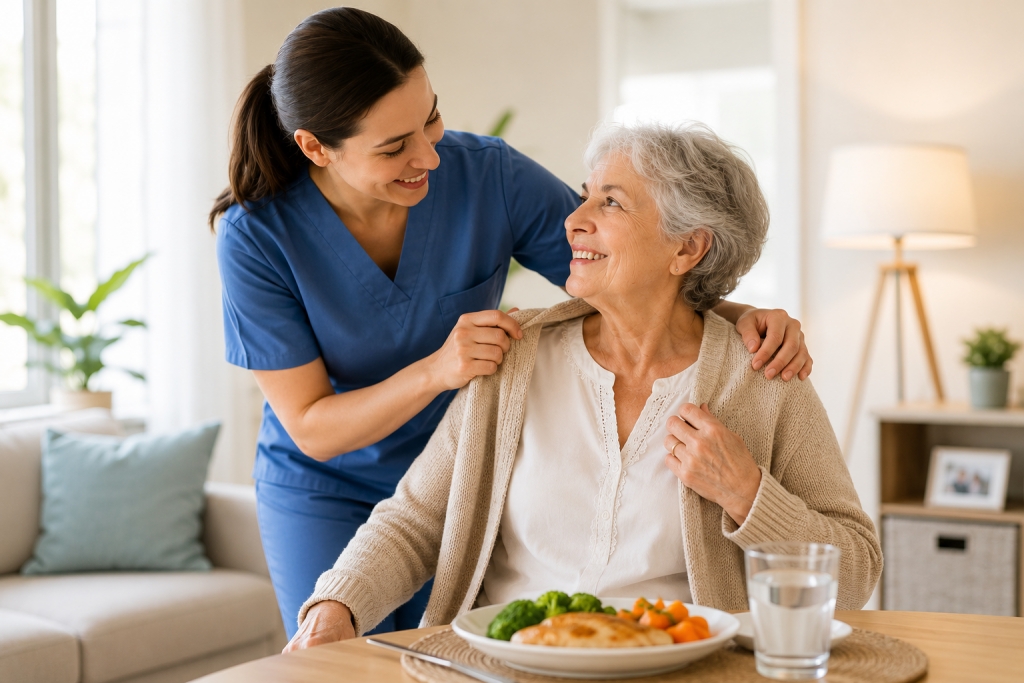
Understanding Activities of Daily Living and Why They Matter
Daily routines such as getting dressed, remembering to take a pill, or preparing a meal rarely feel great until they suddenly become difficult for your loved one to manage independently. Identifying when these small tasks become real struggles is often the first step toward getting the right type of help. Such regular tasks are exactly…